

Wholesale & e-commerce
Keep orders, stock and product data accurate across your webshop, ERP, marketplaces and suppliers.

Kantex Integrations
An API integration is a connection that automatically exchanges data between two or more software systems through their application programming interface (API). Kantex designs, builds and manages those integrations, including validation, error handling and monitoring, so orders, stock and customer data stay consistent everywhere.
Sound familiar?
We connect the systems your business runs on. For each integration we define which data flows in which direction, how often that happens and what happens when something goes wrong.
The same order or customer is entered into several systems, and discrepancies follow.
An integration stops and nobody notices until a customer calls.
Choosing new software is impossible because everything is tied together.
Capabilities
Source, destination, direction and frequency clearly defined for each type of data.
Real-time via webhooks, scheduled in batches or on demand, depending on what the process needs.
Data is checked before it moves on. Errors are reported and can be resubmitted.
Logging, monitoring and maintenance when a vendor changes its API.
How it works technically
The flow diagram for API integrations: which systems are the source, what the integration or processing does and what comes out.
Source
Webshop, ERP, CRM, accounting or supplier file; the direction and frequency are defined for each type of data.
Integration and processing
Data moves in real time via webhooks, in scheduled batches or on demand. It is checked before it moves on; errors are logged, reported and can be resubmitted.
Result
Orders are in the ERP, stock from a single source appears in every sales channel and supplier prices are imported, without duplicate entry.
In practice
Keep orders, stock and product data accurate across your webshop, ERP, marketplaces and suppliers.
Planning, status information and transport documents up to date and in one place, in the office and on the road.

Less admin around case files, hours and documents, so professionals have more time for their clients.

Job sheets, scheduling, materials and maintenance history connected, from the office to the engineer on site.

Less recording work for care organisations and practices: records, diary, billing and communication connected.

Stock, product information and customer data aligned between stores, webshop and warehouse.

Access rights, visitors, alerts and reports connected, with a verifiable trail of who did what.

Crop records, machine data and supply chain data connected, from field to buyer.

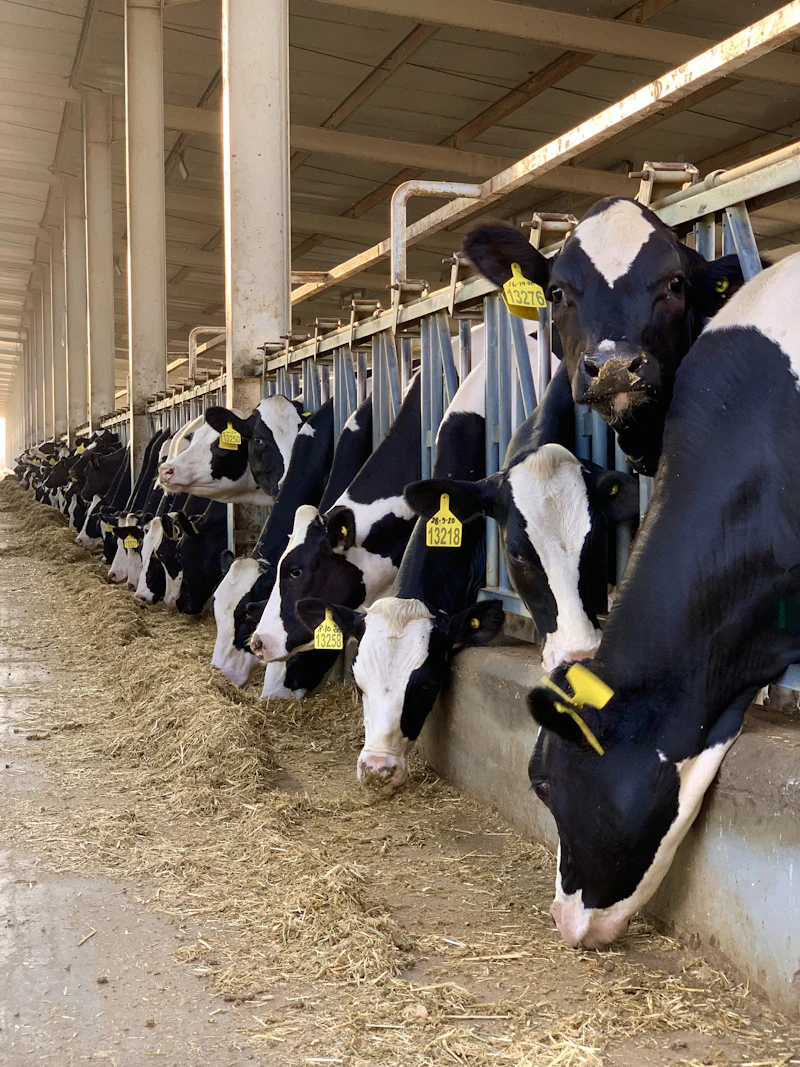
Data from barn, robot and feeding system brought together in one view for daily decisions about your animals.
Tickets, bugs, branches and clients in one place for agencies and software teams.

Questions
With almost any system that offers an API, webhooks, database access or a structured export. Whether a specific integration is possible is something we assess during the discovery phase, based on the system’s documentation.
Errors are logged and reported. Messages that could not be processed are kept and resubmitted once the problem is solved, so no data is lost.
Kantex can do that under a management agreement, including monitoring and changes when a vendor modifies its API. You can also take over management yourself; in that case we provide documentation.
Combine with
Kantex AI
Assistants, document processing and AI agents that work with your data and your systems.

Kantex Automation
Recurring steps that run automatically, with notifications, approvals and a clear overview.
Kantex Custom Software
Web applications, portals and internal tools, built around your own process.

Free introductory call
Book a free 30-minute introductory call. We walk through your process and show where software, integrations or AI deliver the most.